
What?
Positive psychology is a branch of psychology that focuses on the study of positive emotions, feelings, conditions that contribute to human well-being. It focuses on what makes life worth living and making it more meaningful instead of only focusing on dysfunctions that traditional psychology usually focuses on.
Who?
Martin Seligman, a psychologist at the University of Pennsylvania is credited for the giving modern positive psychology. He became the President of the American Psychological Association and really focused on positive psychology during his tenure.
Principles:
Martin Seligman developed the PERMA Model. It describes the five elements that contribute to wellbeing and happiness. PERMA is an acronym for the five elements –
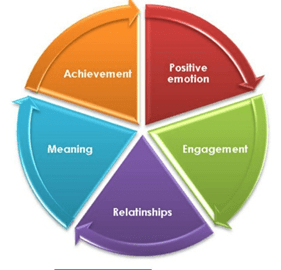
- Positive emotions- it refers to experiencing and cultivation positive emotions like joy, hope, optimism.
- Engagement- it refers to being deeply involved in activities that help you reach a ‘flow’ wherein you lost track of time and are fully involved in.
- Relationships- it refers to positive relations with other human beings are essential for happiness and a sense of belongingness.
- Meaning- it refers to having a purpose or meaning in life which helps to provide direction and fulfilment.
- Accomplishment– it refers to achieving big or small goals, this brings in a sense of achievement and confidence.
Key findings of this field:
- Happiness causes rather than results from positive outcomes such as career success.
- Happiness, strength and relationships protect from the negative consequences of disappointments.
- Money cannot buy happiness unless it is spent on other people.
How to practice it?
- Keep a gratitude journal
- Practice mindfulness
- Do acts of kindness and generosity
- Cultivate an optimistic mindset
Source: http://cheryneblom.blogspot.com/2012/09/what-does-your-soul-need-to-be-happy.html

