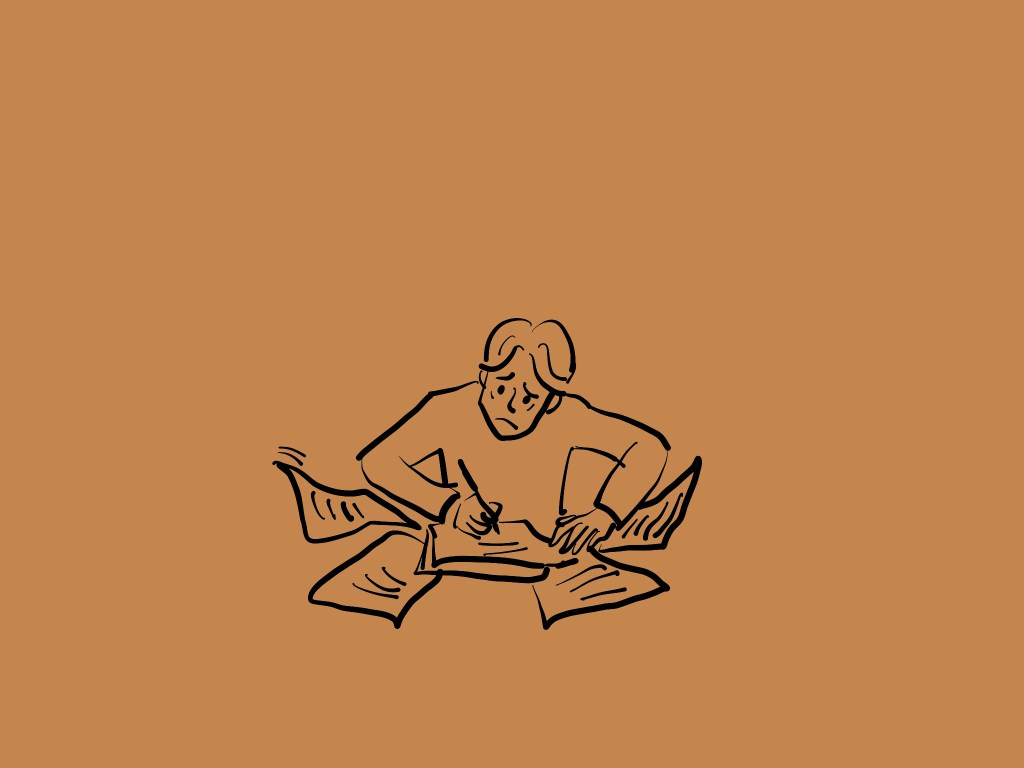
Many people think that exam anxiety is a common and natural response that occurs before or during an exam. However, this does not account for two central features of exam anxiety:
1. The level of anxiety is different for everyone. Some are very calm and relaxed whereas some are extremely anxious which might lead them to have a breakdown or a panic attack.
2. This anxiety is not only felt before or during an exam. In fact, highly exam anxious people can panic and worry while revising materials for an exam.
Prior to the pandemic, studies showed approximately 10 per cent of male, and 25 per cent of female students aged 15 to 18 years reported high levels of exam anxiety. In India over 12,000 students have committed suicide in past 7 years due to exam stress and anxiety. According to me, these numbers are very concerning, and people must take this much more seriously.
Exam anxiety is in fact much more problematic than it seems as it not only stresses the person but also reduces their performance in the exam. Many studies have been performed and it is found that test anxiety affects certain skills that are needed to give an exam such as memory and concentration.
A correlation study (2022) was conducted by Theobald and his colleagues on German medical students who were preparing for their second state exam. Through this they measured the effect of test anxiety on exam performance. The researchers found a negative correlation that was a higher test anxiety led to a bad performance.
I think we as individuals must take effective measures to reduce this anxiety and we must promote solutions to overcome it. There are methods that help to manage and reduce exam anxiety in adolescent students over the long-term. These include:
1. Relaxation strategies – like breathing exercises and guided visualization of a positive mental image which provides instant relief.
2. Cognitive strategies – learning to identify and overcome those thoughts that make our worries look like monsters.
3. Behavioral strategies – revising topics in an effective manner in order to build confidence and control.
To read more about the study performed by Theobald and his colleagues: https://www.learningscientists.org/blog/2023/2/9-1
 Paawni Goyal