
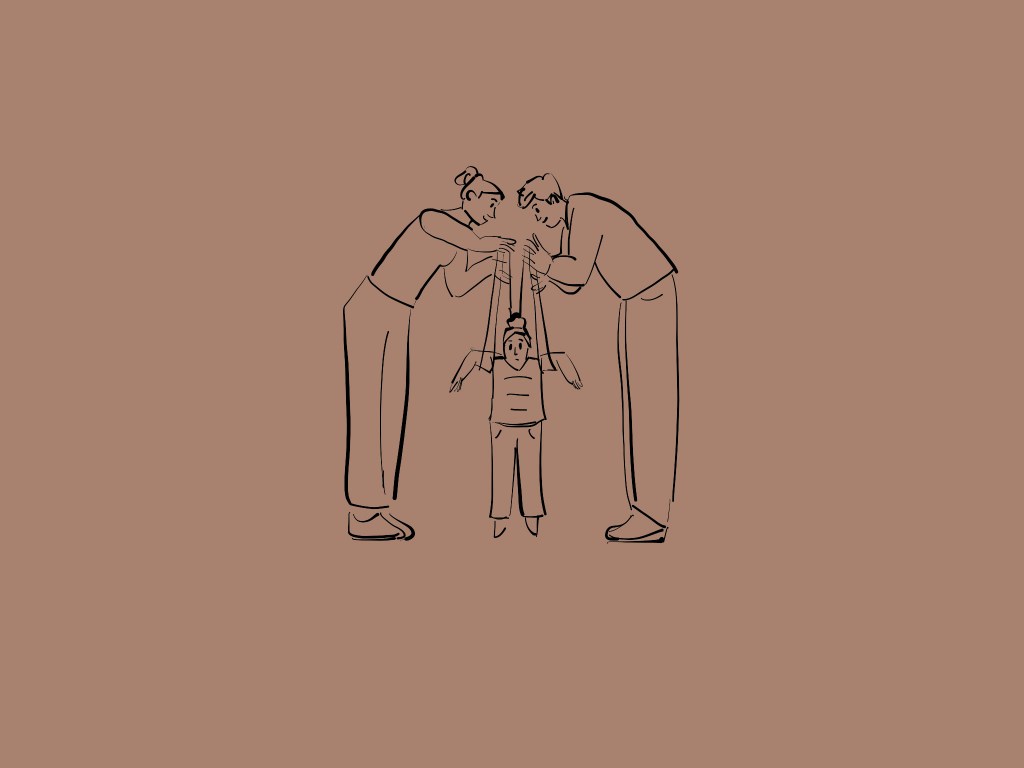
How gaslighting manipulates reality
Gaslighting is a type of psychological abuse in which one is made to believe that they are crazy. In this the victim is convinced that what they are experiencing is not real or important and then blamed for experiencing that. This term had exploded online among users who were interested in mental health. The term ‘race-lighting’ was also used to undermine micro aggressions experienced by people of colour and ideologies that cover up these behaviors.
Dangerous relationships :
After interviews, researchers found 4 central relationships or context in which gaslighting occurs – domestic violence, intimate persons who are not otherwise abusive, parents and family members and institutional gaslighting ( in workplace ). Researchers observed and conducted interviews with people from which they could understand more about theses types of gaslighting. They found that gaslighting usually occurs in case of a creation of power imbalance against the victim.
Patterns of manipulation :
Gaslighting is not an incident but a process. The researchers found that gaslighting is typically caused because of denial, isolation, shame and attack on credibility.
- Denial – Denying someone’s reality and distorting interpretations of past events are key to gaslighting. Denying and distortion is most effective if it takes place in context of isolation.
- Isolation – When gaslighting is severe, it’s pattern is based on isolation and as part of power imbalance between the gaslighter and the victim. Isolation is a very important factor of gaslighting as it prevents the victim from hearing any other point of view. Being in isolation, they blame themselves for their current state. Isolation is the ‘breeding ground’ for gaslighting.
- Shame – Gaslighting also works by instilling shame in the victim, making them feel that the abuse is their fault. Shame keeps a victim trapped in a exhausting cycle of defending themselves against assaults of their integrity.
- Attack on Credibility – The strategy of ‘credibility slashing’ is effective even though the abuser is known for causing domestic violence. Attack on credibility diminishes the victim’s ability to trust themselves and to know what they are experiencing is real.
Source: How Gaslighting Manipulates Reality | Scientific American
 Paawni Goyal